

Recovering After a Car Accident: How Advanced Spine and Pain Supports Your Journey Back to Health
A guide for patients navigating recovery after a motor vehicle collision, from immediate care through the road back to full function.
- Early evaluation after a car accident helps identify pain generators before they become chronic.
- Advanced Spine and Pain uses a four-part recovery roadmap: immediate care, rehabilitation, interventional pain management, and surgical evaluation when needed.
- Hidden injuries like concussion, TBI, and nerve damage are screened for even when nothing shows on a standard X-ray.
- Our team documents care in a way that supports both your recovery and any related insurance or legal claim.
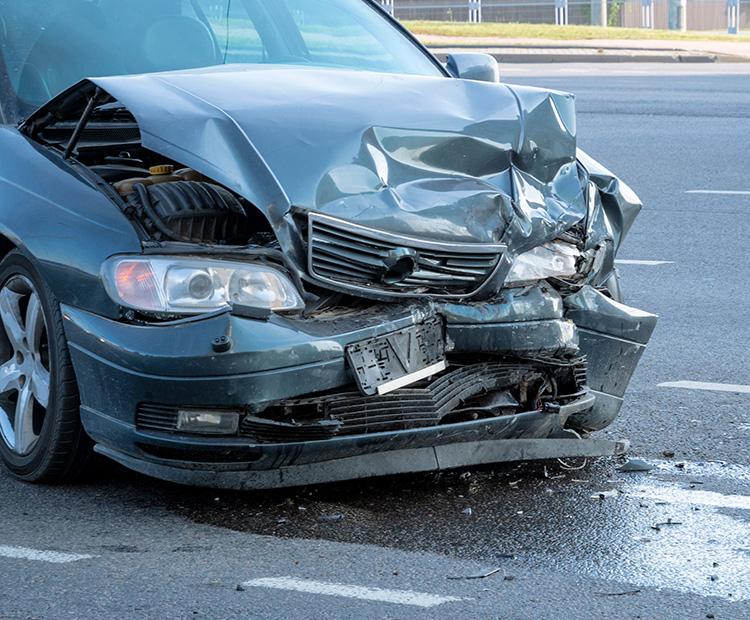
Being in a motor vehicle collision is disorienting, even when injuries aren't immediately obvious. Adrenaline can mask pain for hours or even days, and it's common for symptoms like neck stiffness, headaches, or back pain to surface well after the accident itself. If you've recently been in a crash, understanding your care options, and acting on them early, can make a meaningful difference in how fully and how quickly you recover.
At Advanced Spine and Pain, we specialize in helping accident victims navigate this exact situation through our dedicated personal injury program. As Arizona's leader in post-injury care, our multidisciplinary team is built specifically around the needs of patients recovering from motor vehicle collisions, combining medical expertise with the documentation and communication that attorneys and insurance carriers require.
"Early evaluation helps identify the specific joints, nerves, discs, or soft tissues driving your discomfort, before they have a chance to develop into chronic issues."
Why Early Care Matters
The first days and weeks after a collision are critical. Early evaluation helps identify "pain generators," the specific joints, nerves, discs, or soft tissues driving your discomfort, before they have a chance to develop into chronic issues. Our immediate post-injury care includes a thorough physical exam, review of any initial imaging (X-rays, CT, or MRI), and prompt pain management so you're not left guessing about what's wrong or how to treat it.
A Roadmap, Not a One-Size-Fits-All Plan
No two accidents, or patients, are alike. That's why we built our approach around a four-part recovery roadmap that can flex to match the severity of your injury:
|
🩹
1. Immediate Post-Injury Care
We start by identifying where your pain is coming from and stabilizing it, including early medication management to keep acute pain from spiraling into a longer-term problem.
|
🏃
2. Rehabilitation and Mobility Restoration
Once you're stabilized, our physical therapy and chiropractic teams work to rebuild strength, flexibility, and normal movement, correcting posture or gait changes caused by the accident.
|
|
💉
3. Interventional Pain Management
For injuries that don't fully resolve with therapy alone, we offer evidence-based procedures such as facet joint injections, radiofrequency ablation, sacroiliac joint injections, and regenerative medicine options.
|
🔬
4. Surgical Evaluation
In more serious cases, significant spinal injury, a herniated disc pressing on a nerve, instability, fractures, or severe joint trauma, we coordinate a timely referral for surgical consultation.
|
Looking Beyond the Obvious Injuries
Some of the most significant effects of a collision aren't visible on a standard X-ray. That's why we also offer specialized evaluations for hidden injuries:
|
Hidden Injury
Concussion & TBI Screening
Neurocognitive testing, ongoing symptom monitoring, and referral to neurology when needed.
|
Hidden Injury
Used to detect nerve damage, radiculopathy, or peripheral nerve injury that might otherwise go undiagnosed.
|
Hidden Injury
Custom devices to stabilize injured areas and reduce pain while you heal.
|
Care That Understands the Legal and Insurance Process
Recovering from an accident often means navigating claims, attorneys, and insurance adjusters at the same time you're trying to heal. Our team is experienced in working alongside patients, attorneys, and insurance carriers, providing the comprehensive documentation those processes require without adding extra stress to your recovery. We prioritize faster access to therapy, imaging, and procedures so that delays in scheduling don't become delays in your recovery or your claim.
Our Commitment to You
Whether your injury is mild or seems severe, our mission is simple: reduce your pain, restore your function, and help you return to normal life, ASAP. Every treatment plan we build is personalized, guided by board-certified providers in pain management and spine care, and designed to move at the pace your recovery needs at any of our Arizona locations.
Frequently Asked Questions
How soon after a car accident should I see a doctor?
You should be evaluated as soon as possible, ideally within the first few days, even if you feel fine. Adrenaline often masks pain immediately after a collision, and symptoms like neck stiffness, headaches, or back pain can take hours or days to appear. Early evaluation helps identify problems before they become chronic.
What if I don't feel pain right after the accident?
That's common and doesn't mean you weren't injured. Many soft tissue and nerve-related injuries take time to become noticeable. Getting evaluated early, even without symptoms, creates a documented baseline and allows our team to catch pain generators before they progress.
Will my treatment be coordinated with my insurance claim or attorney?
Yes. Our personal injury team regularly works alongside patients, attorneys, and insurance carriers, providing the documentation those processes require so you can focus on healing rather than paperwork.
What is the difference between physical therapy and chiropractic care after an accident?
Physical therapy focuses on targeted strengthening, stabilization exercises, and correcting posture or gait changes caused by the accident. Chiropractic care complements this with spinal alignment, soft tissue therapy, and mobilization techniques. Many patients benefit from both as part of the rehabilitation phase.
When is surgery necessary after a car accident injury?
Surgery is typically reserved for more serious cases: significant spinal injury, a herniated disc pressing on a nerve, instability, fractures, or severe joint trauma. Most patients begin with conservative care and interventional pain management before a surgical referral is considered.
This article is for educational purposes only and does not constitute medical advice. Please consult your provider at Advanced Spine and Pain for guidance specific to your condition.
Ready to Get Started?
If you've been in a motor vehicle collision, don't wait for symptoms to worsen. Early evaluation is one of the most important steps you can take toward a full recovery.